Hell's Kitchen 3 Fire Outbreaks Guide
Survive kitchen fires in Hell's Kitchen 3 without torching your average — or your teammates.
Fire Outbreaks are one of the signature Hell’s Kitchen 3 systems. Mid-service kitchens can catch serious fire pressure that blocks stations, breaks routes, and turns dinner service into a brigade emergency. This guide covers how outbreaks change cooking, when the Fireproof pass matters, how Fire Alarm and Firestorm power-ups interact with an already chaotic kitchen, and how to path around flames without abandoning every ticket. Cross-read Wildcard Rounds, How to Cook, the power-ups tier list, and the game passes tier list.
Why Fire Outbreaks exist in version 3
Hell’s Kitchen 3 (released October 15, 2026) markets louder, messier services. Fire Outbreaks push that fantasy: you are not only racing meters, you are managing hazard space while Red or Blue averages still decide who walks to elimination. Older Hell’s Kitchen 1 tips about quiet kitchens still help for Chop timing, but they understate how often you must abort a path, extinguish, and rebuild.
Expect outbreaks during dinner service more than calm lobby tutorials. Pre-service can still get spicy in unlucky lobbies — treat every heat station as something you may need to leave.
What fire does to your tickets
Practically, fires punish three things:
- Pathing — the shortest line from Fridge to Fry may be blocked, forcing longer walks (brutal in Difficult mode with no sprint).
- Attention — players stare at flames and miss halfway Oven pulls.
- Team roles — if everyone becomes a firefighter, nobody Serves; if nobody fights fire, the whole line locks.
A plate left on Assemble while you heroically watch a corner burn is still a dead ticket. Call the fire, assign one or two responders, and keep at least one chef on active tickets.
Fireproof pass — toggleable hazard insurance
Fireproof (commonly listed around 250 Robux) states that your actions will not trigger hazards, and it is toggleable. In a world with Fire Outbreaks, that is more than a meme pass.
Use Fireproof when:
- You are the designated cook who must keep plating through chaos
- You main movement-heavy routes near hazard-prone stations
- You stack with Super Run in Standard and need to cross hot lanes
Still learn extinguish habits. Passes can be toggled off, patches can shift rules, and teammates without Fireproof need your callouts. Rank context lives on the game passes tier list.
Fire Alarm and Firestorm — sabotage in a burning meta
From the Coin shop (power-ups):
- Fire Alarm (400 Coins) — triggers fire alarms in the opposing kitchen
- Firestorm (650 Coins) — sets the opposing kitchen on fire
In Hell’s Kitchen 1/2, these were pure “make them panic” buttons. In Hell’s Kitchen 3, the lobby already understands fire. That changes timing:
Good moments to sabotage with fire tools
- Team averages are close in the last minute of dinner service
- The enemy MVP is mid-ticket with no Fireproof
- A wildcard already stressed them and you can stack confusion (Wildcard Rounds)
Bad moments
- You already lead by a huge average — save Coins for Immunity or future services
- Your own kitchen is mid-outbreak and you need brainpower, not shop menus
- You are in Difficult mode — power-ups are disabled entirely
Firestorm into a Fireproof-heavy enemy stack is a Coin sink. Scout who owns the pass when possible, or watch who walks through hazards calmly.
Blackout (650) remains a sibling pick: darkness vs flames. Against rookies who need vision, Blackout may punish harder than another fire layer. Against veterans, Firestorm’s blocked stations often matter more.
Pathing rules that keep scores alive
- See the lane before you commit a long Oven. If the only pull path is already smoking, start a different heat or clear the lane first.
- Extinguish on the way, not as a sightseeing tour after three burns.
- Hug walls and alternate aisles learned in the redesigned v3 kitchen — old scripts that walk dead straight often fail here (Scripts Hub warning applies).
- Never stand in fire to finish a Chop stroke. Incomplete chops are recoverable; AFK death-by-ego is not.
- Serve captain stays on cold side when possible so finished plates still cash while others fight flames.
Movement passes (Run / Super Run) shine in Standard outbreaks. Difficult players must pre-plan safe loops — see the Difficult Mode Guide.
Cooking checklist during an outbreak
- Glance at team average — are you already safe or in the danger band?
- Call “fire [side/station]” in short chat.
- Decide: you fight fire or you plate. Do not half-do both.
- Pull any meters already in the quality window before they tip to burnt.
- Reroute Pantry/Fridge grabs around the hazard.
- Resume tickets only when a lane is stable enough to babysit heats.
- After Serve, reassess — outbreaks can reflash.
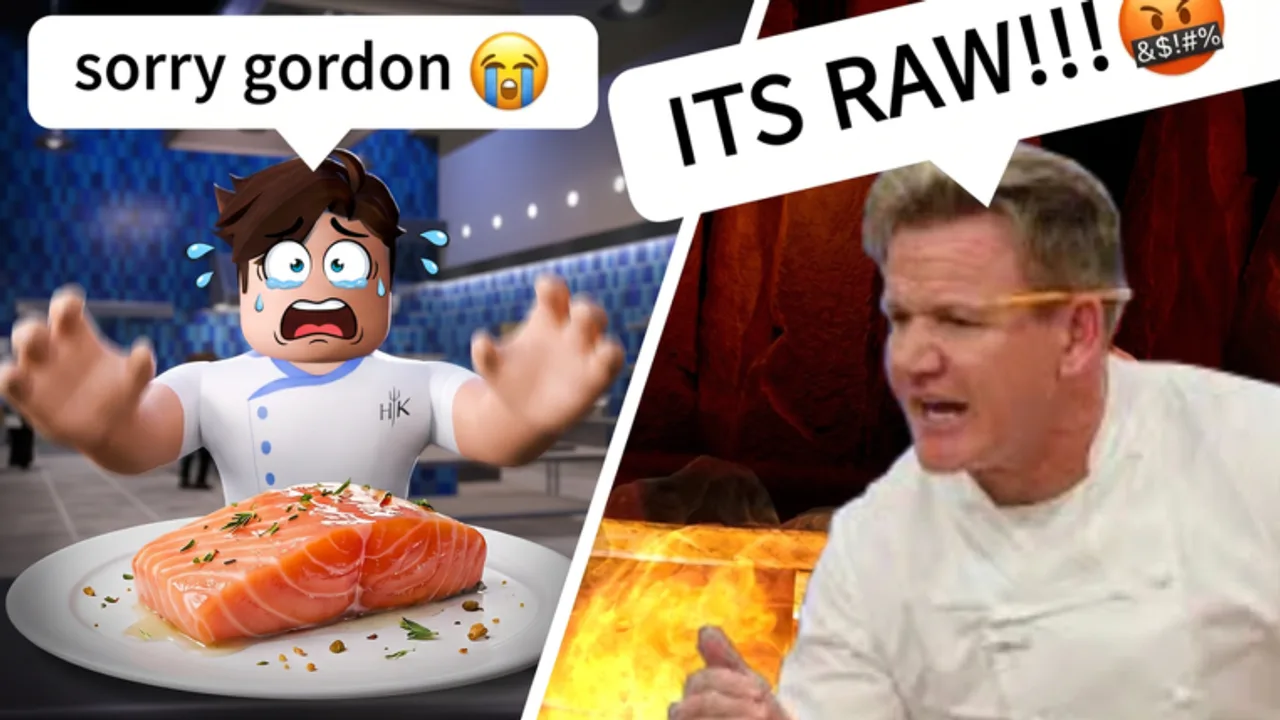
Accuracy rules from How to Cook do not change: halfway pulls still beat full-bar burns. Fire is not an excuse to serve raw “because we were busy.” Nomination tables hear that speech every night.
Team roles for Red and Blue
Borrow Players Hub discipline:
- Flex firefighter — one mobile chef with Run/Fireproof preference
- Ticket anchors — two chefs who refuse to abandon active heats
- Serve captain — eyes on Assemble/Serve even while others shout about flames
If Imposter disables a station during an outbreak, announce both problems. Double chaos is how bottom-two scores are born; details sit on Elimination & Voting and Wildcard Rounds.
Synergy with recipes and progression
New recipes with long heat chains are outbreak liabilities. Save novelty desserts for calm services. Head Chef pre-service picks should favor short, known paths when the lobby has been fire-heavy all night. XP still matters — surviving outbreaks with clean plates teaches more than spectating after a panic wipe.
Common mistakes
- Everyone drops tickets to emote at the same fire.
- Buying Firestorm while your own line is already in outbreak hell.
- Expecting fire tools to work on Difficult.
- Ignoring Fireproof forever then blaming “RNG fire” for every nomination.
- Pathing through flames repeatedly instead of learning the alternate aisle once.
After-action review
When the service ends, ask:
- Did we lose more points to burns or to blocked Serves?
- Who should own Fireproof next purchase priority?
- Did sabotage Coins actually swing the average?
- Should the next queue be Standard practice or a calmer teach lobby?
Check the Hell’s Kitchen 3 launch notes and Updates Hub after patches in case hazard rules shift. Fire Outbreaks are not a side minigame — they are dinner service with the volume turned up. Extinguish with intent, cook with discipline, and make the other kitchen panic on your terms.
Frequently Asked Questions
Quick answers for chefs fighting through Hell's Kitchen 3.
What are Fire Outbreaks in Hell's Kitchen 3?
Mid-service fire hazards that block routes and split attention. They are a headline version 3 feature alongside redesigned kitchens and new wildcards.
Is Fireproof worth buying?
At about 250 Robux, Fireproof is strong if you play through outbreaks often. Toggle it when you need to keep plating; still learn extinguish habits for your team.
When should I use Firestorm or Fire Alarm?
When averages are close and the enemy kitchen can still be panicked. Skip them if you already lead big, you are on fire yourself, or you are in Difficult mode.
Should the whole team fight fires?
No. Assign one or two responders and keep chefs on tickets and Serve. Total firefighter mode loses averages.
Do Fire Outbreaks happen in Difficult mode?
Hazard pressure can still appear; you just cannot answer with Coin fire sabotage. Pathing and Fireproof matter even more without sprint.